How to Choose Coffee Machine: Your Complete 2026 Guide
Sarah Chen
Lead Kitchen Appliance Reviewer
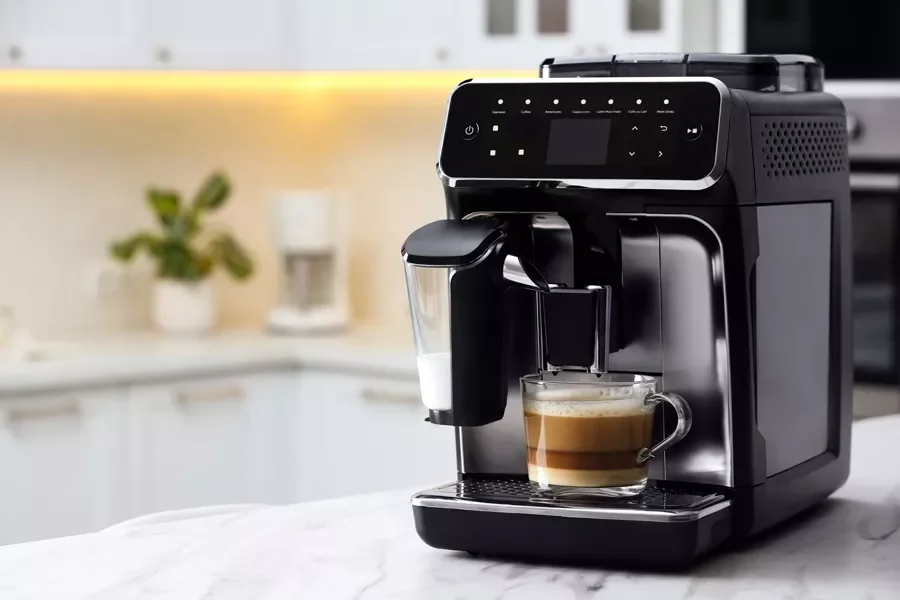
Table of Contents
On this page
20The average household replaces its coffee machine every three to five years. That adds up to eight or more purchases over a lifetime — and most buyers repeat the same mistakes. This guide walks you through exactly how to choose coffee machine features, brew types, and build quality so your next purchase is your best one yet.
Picking a coffee machine is not about chasing the most expensive option or the sleekest design. Learning how to choose coffee machine that fits your life comes down to four decisions: what brew style you prefer, how many cups you make each morning, how much control you want over extraction, and what you are willing to spend. Get those four right and the rest — programmable timers, milk frothers, smart features — falls into place.
If you already know your brew style and want specific model picks, head to our best coffee machines roundup for tested recommendations at every price point.
How to Choose Coffee Machine: Key Specs That Actually Matter#
Marketing copy highlights dozens of features. Only a handful predict whether your coffee tastes good six months after unboxing. These are the specs worth your attention and the numbers to look for inside each one.
Brew Temperature#
Water temperature is the single most important variable in coffee extraction. The Specialty Coffee Association recommends a brew temperature between 195°F and 205°F (90.5°C–96°C). Water below 195°F under-extracts, producing sour and thin coffee. Water above 205°F over-extracts, pulling bitter compounds from the grounds.
Budget machines ($30–$80) commonly fail this test. Many heat water to only 180°F–190°F. The result is flat, underwhelming coffee regardless of bean quality. When figuring out how to choose coffee machine for your kitchen, always check whether the manufacturer publishes brew temperature specs. Machines certified by the Specialty Coffee Association (SCA) are guaranteed to hit the 195°F–205°F window.
Pro Tip: If a coffee machine lists "optimal brewing temperature" without giving a number, treat that as a red flag. Reputable machines publish exact temperature ranges. The SCA-certified label is the fastest way to verify brew temp compliance in 2026.
Brew Time and Flow Rate#
Brew time determines how long water stays in contact with ground coffee. Too fast and you get weak, watery results. Too slow and the coffee turns bitter and harsh.
Target brew times by method:
- Drip coffee (full carafe): 4–8 minutes for 8–12 cups. Under four minutes means the water passed through too quickly
- Single-serve pod machines: 30–90 seconds per cup. Speed varies by brew size selection
- Espresso machines: 25–30 seconds for a double shot at 9 bars of pressure
- Pour-over style brewers: 3–4 minutes for a single serving. Automated pour-over machines replicate this timing
Flow rate connects directly to extraction quality. Machines with adjustable flow rates let you fine-tune strength without changing grind size. This is a premium feature found in machines above $150, but it makes a measurable difference in cup quality.
Boiler and Heating System#
The heating system determines warm-up speed, temperature stability, and how well the machine handles back-to-back brewing. Three systems dominate the market.
Thermoblock heaters heat water on demand by passing it through a heated metal channel. They warm up in 30–60 seconds and are standard in machines under $200. The trade-off: temperature fluctuates between cups because water passes through in pulses rather than maintaining a steady reservoir.
Single boiler systems store and heat a fixed volume of water. Temperature is more consistent across cups. The downside is longer warm-up time (two to four minutes) and the inability to brew and steam milk simultaneously. You brew first, then wait for the boiler to reach steam temperature.
Dual boiler and heat exchanger systems maintain separate temperatures for brewing and steaming at the same time. These start at $400 and are the standard for serious espresso enthusiasts. Back-to-back drinks with milk arrive in half the time compared to single boilers.
For drip coffee drinkers, a thermoblock is perfectly adequate. For espresso drinkers who make milk-based drinks daily, a dual boiler pays for itself in convenience within the first month. The boiler type is one of the most overlooked specs when buyers choose coffee machine for espresso use.
Grinder Quality (Built-In vs. Separate)#
Freshly ground coffee tastes better than pre-ground — this is not subjective. Grounds begin losing volatile aroma compounds within 15 minutes of grinding. A built-in grinder eliminates the gap between grinding and brewing entirely.
Two grinder types exist:
- Burr grinders crush beans between two abrasive surfaces at a fixed distance. The result is uniform particle size, which produces even extraction and balanced flavor. Conical burr grinders are quieter. Flat burr grinders produce slightly more consistent grinds
- Blade grinders chop beans with a spinning blade, producing random particle sizes from dust to chunks. Extraction is uneven — fine particles over-extract while large pieces under-extract in the same cup
Any machine with a built-in grinder should use burr technology. If the listing says "stainless steel blade grinder" or does not specify the grinder type, assume it is a blade grinder. Blade grinders are acceptable for drip coffee drinkers who are not particular about flavor nuance. For espresso, only burr grinders deliver the precision required for proper extraction.
Grind settings matter too. Drip coffee needs a medium grind. Espresso needs a fine grind. French press needs a coarse grind. A machine with five grind settings covers drip and espresso. A machine with 15+ settings offers full control across every brew method.
Pro Tip: If a bean-to-cup machine lists fewer than eight grind settings, it limits your ability to dial in espresso. Look for at least 12 settings if you plan to make espresso-based drinks regularly.
Water Reservoir and Capacity#
Reservoir size determines how many cups you brew before refilling. This sounds simple, but mismatched capacity creates daily friction that adds up fast.
Match reservoir size to your household:
- 20–30 oz (600–900 ml): One to two cups. Standard for single-serve and compact machines. Refill daily
- 40–50 oz (1.2–1.5 L): Three to five cups. Good for couples or light coffee drinkers
- 60–80 oz (1.8–2.4 L): Six to 12 cups. The standard drip carafe range for families and home offices
- 80+ oz (2.4+ L): 12 or more cups. Commercial-style machines and large households
A removable reservoir makes refilling easier — you carry it to the sink instead of maneuvering the entire machine under a faucet. Top-fill reservoirs are faster than side-fill designs. Both details seem minor until you refill the reservoir 300+ times per year. Reservoir design is a practical comfort factor that matters every day when you choose coffee machine for regular home use.
Carafe Type (Thermal vs. Glass)#
If you choose a drip coffee machine, the carafe determines how long your coffee stays drinkable after brewing.
Glass carafes sit on a heated plate that keeps coffee warm. The problem: heat plates continue cooking the coffee. After 20–30 minutes, flavor degrades noticeably. After one hour, the coffee tastes burned and stale. Glass carafes cost less and let you see the fill level at a glance.
Thermal carafes use vacuum insulation to retain heat without a hot plate. Coffee stays at drinking temperature for two to four hours without flavor degradation. The downside: thermal carafes cost $15–$30 more upfront and are heavier. You cannot see the fill level without opening the lid.
The verdict: If you drink your coffee within 15 minutes of brewing, glass is fine. If your pot sits for 30 minutes or longer, thermal is the clear winner for taste quality. For households with staggered morning schedules, a thermal carafe is worth every extra dollar. Carafe choice is a simple but high-impact decision when you choose coffee machine in the drip category.
Programmable Features and Automation#
Programmable features add convenience but vary in usefulness. As you choose coffee machine options, know which features deliver real value before paying extra for them.
Worth paying for:
- Delayed brew timer: Set your machine the night before and wake up to fresh coffee. This is the most used programmable feature by a wide margin
- Auto-shutoff: Turns the machine off after a set period. Saves energy and prevents safety hazards. Standard on machines above $50
- Adjustable brew strength: Lets you control coffee concentration without changing grounds quantity. Found on mid-range machines ($80+) and genuinely useful for households where preferences differ
Rarely worth paying for:
- Smartphone app control: Sounds appealing, but you still need to load water, grounds, or pods manually. The app only starts the brew cycle — a $5 outlet timer does the same thing
- Built-in milk frother (on drip machines): Frother attachments on drip machines produce thin, inconsistent foam. A standalone $25 milk frother outperforms them
- Touchscreen displays: Add cost without improving coffee quality. Buttons and dials work equally well and last longer
Types of Coffee Machines#
Understanding machine types is the most important step when learning how to choose coffee machine for your home. Each type optimizes for a different priority — speed, flavor, control, or convenience. Choosing the wrong type leads to a machine that brews coffee you tolerate instead of coffee you enjoy.
Drip Coffee Makers#
Drip machines heat water and gravity-feed it over a bed of ground coffee in a paper or mesh filter. The brewed coffee collects in a carafe below. This is the most popular format in North American homes for good reason — simplicity.
Best for: Families, offices, anyone brewing four or more cups at once, hands-off operation.
Key specs to check: Brew temperature (195°F–205°F), carafe type (thermal preferred), showerhead design (wider distribution = better extraction), and SCAA/SCA certification.
Price range: $25–$300. SCA-certified drip machines start around $80.
Limitations: No espresso capability, limited control over brew variables, and flavor degrades if the pot sits too long on a glass carafe.
Single-Serve Pod Machines#
Pod machines use pre-packaged capsules — Keurig K-Cups, Nespresso pods, or Dolce Gusto capsules — to brew one cup at a time. Brewing takes 30–90 seconds with zero cleanup beyond discarding the pod.
Best for: Speed-focused users, offices with varied preferences, households where each person drinks a different coffee type.
Key specs to check: Pod compatibility (K-Cup vs. Nespresso vs. proprietary), brew sizes available (6 oz, 8 oz, 10 oz, 12 oz), reservoir size, and whether it accepts reusable pods for fresh grounds.
Price range: $50–$250 for the machine. Pods cost $0.40–$1.20 each, adding $150–$440 per year for a daily drinker.
Limitations: Higher per-cup cost than any other method, limited flavor quality compared to freshly ground beans, and significant plastic waste from single-use pods. Reusable pod adapters help with cost and waste but add cleanup.
Espresso Machines#
Espresso machines force hot water through finely ground coffee at high pressure (9 bars standard). The result is a concentrated, flavor-dense shot that forms the base for lattes, cappuccinos, americanos, and flat whites.
Three subtypes exist within espresso:
- Manual lever machines give you full control over pressure and timing. They require skill and practice. Best for enthusiasts who enjoy the craft
- Semi-automatic machines automate water temperature and pump pressure. You control grind size, dose, and shot timing. The most popular category for home baristas. Price range: $150–$800
- Super-automatic (bean-to-cup) machines handle everything — grinding, tamping, brewing, and milk steaming — with a single button press. Convenience comes at a cost: $300–$2,000+. Less control, but consistent results with minimal effort
Best for: Espresso and milk-drink enthusiasts, anyone willing to invest time or money (or both) in coffee quality.
Key specs to check: Pump pressure (9 bars minimum), boiler type (single vs. dual), grinder type (burr only), PID temperature control, and portafilter size (54 mm vs. 58 mm — larger is better for even extraction).
Limitations: Higher upfront cost, steeper learning curve for semi-automatics, more maintenance (descaling, backflushing, gasket replacement), and larger counter footprint.
Pour-Over and Specialty Brewers#
Automated pour-over machines replicate the manual pour-over process — slow, controlled water delivery over a flat bed of medium-fine grounds. Brands like Breville Precision Brewer and Technivorm Moccamaster lead this category.
Best for: Flavor purists, single-origin coffee enthusiasts, anyone who values clarity and nuance in their cup.
Key specs to check: Showerhead design, flow rate control, bloom cycle (a pre-wet phase that degasses fresh grounds), SCA certification, and brew temperature precision (±1°F).
Price range: $150–$400. The Technivorm Moccamaster at approximately $310 is the benchmark in this category.
Limitations: Smaller batch sizes (typically 6–10 cups), slower brew cycles, higher price per feature compared to standard drip machines.
French Press and Immersion Brewers#
French presses steep grounds in hot water for three to four minutes, then separate them with a metal mesh plunger. They are not machines in the electrical sense, but they are worth mentioning because they compete directly with drip and pod machines for many buyers.
Best for: Minimalists, travelers, small budgets, anyone who wants full-bodied coffee with zero electricity.
Price range: $15–$60. No ongoing costs beyond coffee beans and hot water.
Limitations: Manual process, no temperature automation, sediment in the cup, and coffee cools quickly without a thermal vessel.
Common Mistakes to Avoid When You Choose Coffee Machine#
These seven mistakes cost buyers hundreds of dollars in wasted purchases and daily frustration. Knowing how to choose coffee machine also means knowing what pitfalls to avoid. Each one is preventable once you know what to look for.
-
Ignoring brew temperature specs: A machine that heats water to only 185°F produces flat, under-extracted coffee no matter how premium the beans. Check for 195°F–205°F or SCA certification before anything else
-
Buying a pod machine without calculating annual pod costs: A daily Keurig habit at $0.70 per pod costs $255 per year. Over five years, that is $1,275 in pods alone — more than a premium drip machine with a built-in grinder that brews better coffee at $0.15 per cup
-
Choosing espresso without understanding the commitment: Semi-automatic espresso machines need regular maintenance — backflushing weekly, descaling monthly, and gasket replacement annually. They also require a quality burr grinder ($100–$300 separately) unless the machine includes one. Budget the full system cost, not just the machine price
-
Overlooking water quality: Hard water causes limescale buildup that clogs heating elements and alters flavor. If your tap water is hard (above 120 ppm mineral content), factor in a water filter or plan to descale every four to six weeks. Some machines include built-in water filters — a useful feature in hard-water regions
-
Assuming bigger reservoir means better: An 80-ounce reservoir on a single-serve machine means stale, room-temperature water sits for days between uses. Bacteria and mineral deposits accumulate in standing water. Match reservoir size to your actual daily consumption, and empty unused water every 48 hours
-
Prioritizing brand over specs: Brand loyalty skips the evaluation process. A $180 machine from a popular brand with a 185°F brew temperature loses to a $90 SCA-certified machine from a lesser-known brand every single time on flavor. Specs determine cup quality — logos do not
-
Skipping the grinder entirely: Pre-ground coffee loses 60% of its aroma within 15 minutes of grinding. If you buy a $400 espresso machine and pair it with stale pre-ground beans, you are tasting 40% of what those beans offer. A $50 standalone burr grinder transforms the output of any brew method
Pro Tip: The best upgrade for any existing coffee machine is not a new machine — it is a burr grinder. Fresh grounds improve a $40 drip machine more than switching to a $200 drip machine with pre-ground beans.
Budget Guide: How to Choose Coffee Machine at Every Price#
Your budget narrows the field quickly. Knowing how to choose coffee machine at each tier helps you set realistic expectations and avoid overpaying for features that do not improve your cup.
Under $50: Basic drip machines (4–12 cups) and entry-level single-serve brewers. Expect plastic construction, inconsistent brew temperature, glass carafes with hot plates, and one-year warranties. Adequate for casual drinkers who add cream and sugar.
$50–$150: SCA-certified drip machines, better single-serve brewers, and entry-level espresso machines. This range introduces thermal carafes, programmable timers, adjustable brew strength, and consistent brew temperatures. The sweet spot for most households.
$150–$300: Mid-range espresso machines (semi-automatic), premium drip machines with built-in grinders, and top-tier pour-over brewers. Build quality improves noticeably — stainless steel components, larger boilers, and two to three year warranties. This is the threshold where coffee quality takes a measurable leap.
$300–$700: Serious semi-automatic espresso machines with PID temperature control, dual boiler or heat exchanger systems, and 58 mm portafilters. Built-in burr grinders with 12+ settings. Machines in this range produce café-quality espresso at home. The Breville Barista Express at around $500 is the benchmark here.
$700+: Super-automatic bean-to-cup machines, commercial-grade espresso setups, and specialty brewers. One-touch lattes, automatic milk texturing, and self-cleaning cycles. Brands like Jura, DeLonghi Dinamica, and Breville Oracle dominate. Justified for daily espresso drinkers who want café results without barista skills.
For tested model recommendations at each price tier, browse our best coffee machines roundup.
Maintenance Essentials by Machine Type#
Part of understanding how to choose coffee machine wisely is knowing the upkeep each type demands. Every coffee machine needs maintenance. The type and frequency depend on the brewing method. Ignoring maintenance is the fastest way to ruin a perfectly good machine — and the flavor it produces.
Drip machines: Descale every one to three months depending on water hardness. Run a vinegar-and-water cycle (50/50 ratio) followed by two clean water cycles. Replace paper filters every use. Clean the showerhead and basket weekly to prevent oil buildup.
Pod machines: Descale every two to three months. Run the manufacturer's cleaning cycle. Wipe the pod chamber and needle weekly — coffee residue clogs the puncture needle and causes weak, sputtering brews.
Espresso machines: Backflush weekly with cleaning detergent (semi-automatics with three-way solenoid valves). Descale monthly. Replace the group head gasket annually. Purge the steam wand after every use to prevent milk crust buildup. Clean the drip tray daily.
Built-in grinders: Purge one to two grams of beans through the grinder every time you change bean types. Use grinder cleaning tablets monthly. Brush burrs with a stiff brush every two weeks to remove oil and fines.
Neglecting these steps does not just affect taste — it shortens machine lifespan. Limescale buildup in a boiler reduces heating efficiency by up to 25% within six months. A $2 descaling tablet prevents a $200 repair. Factor maintenance effort into how you choose coffee machine — simpler machines demand less upkeep.
Our Top Recommendations#
This guide covers the complete framework for how to choose coffee machine specs, types, and features. When you are ready to compare specific models side by side, these resources walk you through tested picks:
- Our best coffee makers roundup ranks top models across drip, espresso, and single-serve categories
- The drip vs espresso comparison breaks down the two most popular brew methods head-to-head
- For espresso-focused buyers, our best espresso machines under $500 guide covers the strongest options in the most popular price range
- Browse all coffee maker reviews and guides for the full collection
Frequently Asked Questions#
Frequently Asked Questions
8 questions answered
Start with your preferred brew style — drip, espresso, single-serve, or pour-over. Then match the machine to your daily volume (one cup vs. a full carafe), your desired level of control (push-button vs. manual), and your budget. Brew temperature compliance (195°F–205°F) and grinder quality are the two specs that impact flavor most when you choose coffee machine for home use.
Brew temperature. Water between 195°F and 205°F extracts the full range of flavors from coffee grounds. Machines that fall below this range produce flat, sour coffee regardless of bean quality. Look for SCA-certified machines or models that publish their exact brew temperature range.
Yes, if you drink espresso-based drinks (lattes, cappuccinos, americanos) daily. A $300–$500 semi-automatic machine saves $3–$5 per drink compared to café prices. At one drink per day, the machine pays for itself within three to six months. If you only drink drip coffee, an espresso machine adds unnecessary complexity.
Most households get excellent results between $80 and $200 for drip machines and $300–$600 for espresso machines. Below $50, brew temperature and build quality suffer noticeably. Above $700, you pay for automation and luxury features that improve convenience but not necessarily cup quality. Match your budget to how to choose coffee machine priorities — flavor, speed, or hands-off convenience.
Drip machines gravity-feed water through a showerhead over grounds in a single pass. Pour-over machines deliver water in slower, controlled pulses that mimic hand-pouring. Pour-over produces cleaner, more nuanced flavor with better clarity. Drip machines are faster and handle larger batches. SCA-certified drip machines close the gap significantly.
A built-in burr grinder improves flavor dramatically because it eliminates the delay between grinding and brewing. Pre-ground coffee loses 60% of its aroma within 15 minutes. If your budget allows, choose a coffee machine with an integrated burr grinder. If not, pair your machine with a standalone burr grinder ($50–$150) for the same benefit.
Every one to three months for drip and pod machines. Monthly for espresso machines. Descaling frequency depends on water hardness — hard water (above 120 ppm) requires more frequent descaling. Use the manufacturer's recommended descaling solution or a 50/50 white vinegar and water mixture. Skipping descaling reduces heating efficiency and shortens machine lifespan.
Pod machines produce acceptable but not exceptional coffee. The coffee in pods is pre-ground and sealed weeks or months before use, which limits freshness. Brew temperature and extraction time are less adjustable than drip or espresso machines. However, premium Nespresso pods and reusable pod adapters with fresh grounds narrow the quality gap. Pod machines excel at speed and consistency, not peak flavor.
Summary#
Knowing how to choose coffee machine comes down to four core decisions: brew method, daily volume, control level, and budget. Brew temperature and grinder quality are the two specs that separate good coffee from great coffee — prioritize both above all other features.
For most households in 2026, the ideal starting point is an SCA-certified drip machine in the $80–$200 range with a thermal carafe. Add a standalone burr grinder for $50–$100 and you have a setup that outperforms machines costing three times as much paired with pre-ground beans.
For espresso lovers, invest in a semi-automatic machine with a PID controller and a built-in burr grinder in the $300–$600 range. The upfront cost is higher, but the per-cup savings compared to daily café visits makes it the most cost-effective path to café-quality drinks at home.
Start with our best coffee machines roundup to see tested models ranked across every category. For brew-method comparisons, our drip vs espresso guide helps you narrow the field. Browse the full coffee machines category for every guide, review, and comparison on the site.
Our testing lineup: drip, espresso, and single-serve pod machines compared side by side