How to Choose Toaster That Lasts: Complete 2026 Guide
James Okafor
Coffee & Cooking Appliance Specialist
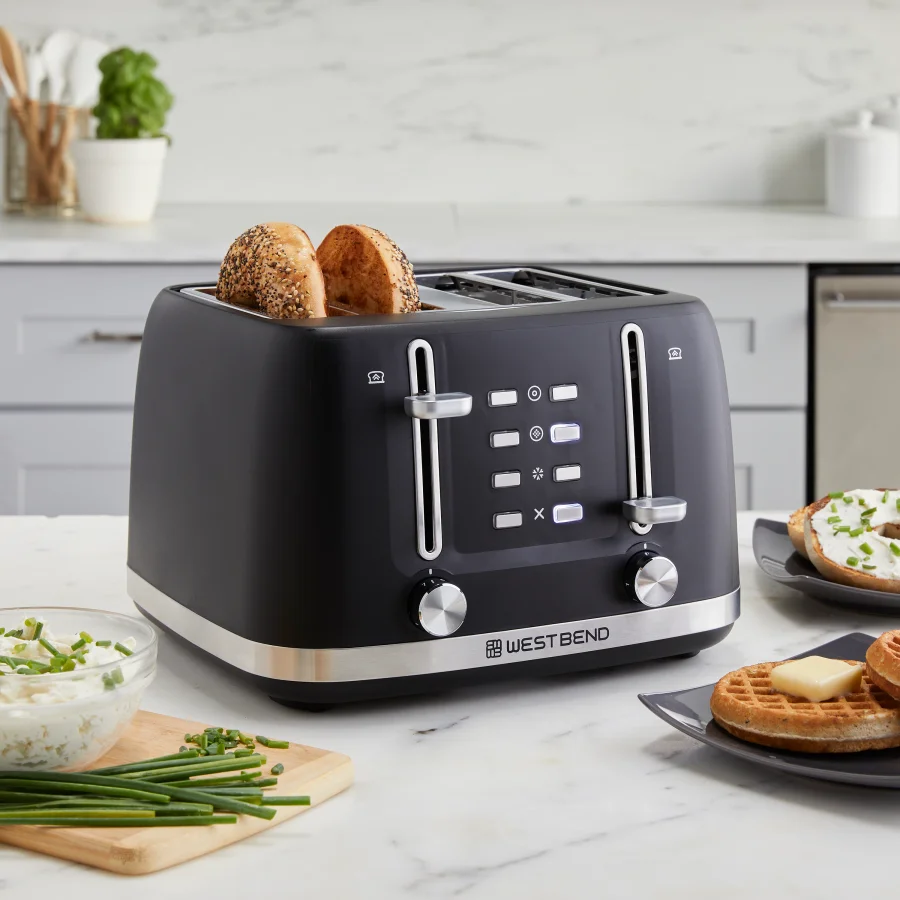
Table of Contents
On this page
19Most people replace their toaster every three to five years — not because the old one breaks, but because it never toasted evenly in the first place. A $25 impulse buy at a big-box store produces one dark side and one pale side for 1,000 breakfasts straight. This guide explains exactly how to choose toaster that delivers consistent, golden results every single morning.
The difference between a frustrating toaster and a reliable one comes down to five decisions: heating element type, wattage, slot dimensions, browning controls, and build material. Understand these five factors before you spend a dollar, and you skip the cycle of buying cheap, getting annoyed, and buying cheap again.
How to Choose Toaster: Key Specs That Affect Every Slice#
Spec sheets for toasters are thin compared to other kitchen appliances. That makes every listed number more important — there is less noise to filter through. These are the specifications that predict everyday performance and the benchmarks that separate good toasters from disappointing ones.
Heating Elements: Quartz vs. Nichrome vs. Mica#
The heating element is the single most important component inside a toaster. It determines how evenly your bread browns, how quickly the toaster reaches operating temperature, and how long the appliance lasts. Three element types dominate the market in 2026.
Nichrome wire elements are the industry standard. They consist of a nickel-chromium alloy wire wrapped around a mica or ceramic frame. Nichrome heats to approximately 1,100°F–1,200°F and distributes heat across the slot width. Most toasters under $50 use nichrome. The element is durable and inexpensive, but heat distribution depends entirely on how many passes of wire the manufacturer installs. Budget models with fewer wire passes leave cold spots — the root cause of one-side-dark, one-side-pale toast.
Quartz heating elements use infrared radiation to toast bread. They reach full operating temperature in five to eight seconds — roughly half the warm-up time of nichrome. Faster warm-up means the first slice toasts at the same level as the fifth slice, eliminating the "first batch is lighter" problem. Quartz elements are standard in Japanese toasters from Balmuda and premium models from Breville. They cost more but deliver noticeably more even browning.
Mica elements are flat, sheet-style heaters that spread heat uniformly across a large surface area. They run at lower peak temperatures but maintain steadier, more consistent heat. Mica elements appear in premium European toasters and high-end toaster ovens. They are the quietest option — no audible hum during operation. Element type is the first spec to check when you choose toaster for consistent morning results.
When you choose toaster for daily use, quartz elements deliver the best consistency for the price. Nichrome works well in models above $40 where manufacturers invest in sufficient wire coverage. Avoid any toaster that does not specify its element type — this usually indicates the cheapest nichrome configuration.
Wattage#
Wattage determines how fast your toaster reaches toasting temperature and how well it recovers heat between consecutive batches. Higher wattage means less waiting and more consistent results when you toast multiple rounds.
Wattage benchmarks by toaster type:
- 2-slice pop-up toasters: 800–950 watts. Look for at least 850 watts for reliable performance with thick slices and frozen bread
- 4-slice pop-up toasters: 1,200–1,800 watts. A 4-slice model under 1,400 watts struggles to heat all four slots evenly because the outer slots receive less energy
- Toaster ovens: 1,200–1,800 watts. Higher wattage is critical here because the heating cavity is larger. Below 1,400 watts, preheating takes three to five minutes and browning is inconsistent
- Long-slot toasters: 900–1,400 watts. Long slots require more wattage per slot to maintain even heat across the extended bread surface
Why wattage matters for back-to-back toasting: After your first batch finishes, the toaster retains residual heat. A higher-wattage model reaches target temperature faster on the second cycle, preventing the "second batch burns" problem. Lower-wattage models compensate poorly — the second round either over-toasts (too much residual heat) or under-toasts (insufficient recovery). If you toast more than two batches each morning, choose toaster models with at least 1,000 watts for a 2-slice unit or 1,500 watts for a 4-slice.
Slot Width and Dimensions#
Slot size determines what you toast. Standard bread is 0.5 inches thick. Bagels run 1.0–1.5 inches. Artisan sourdough slices reach 1.5–2.0 inches. A narrow slot limits your options to standard sliced bread only.
Slot width categories:
- Standard slots (1.0–1.1 inches): Handles regular sliced bread and thin English muffins. Struggles with bagels and anything artisan-cut
- Wide slots (1.25–1.5 inches): Accommodates bagels, thick-cut bread, and most hand-sliced items. The most versatile option for general households
- Extra-wide slots (1.5+ inches): Required for Texas toast, thick sourdough rounds, and specialty breads. Found on premium models priced $60 and above
Slot length matters equally. Standard slots are approximately 5.0–5.5 inches long. Long-slot toasters extend to 10–12 inches, accepting full-length artisan loaves without the bread folding or sticking out the top. If you buy bakery bread regularly, a long-slot design eliminates the most common sizing frustration. Slot dimensions are a non-negotiable checkpoint when you choose toaster for varied bread types.
Pro Tip: Measure your most-used bread before buying. Take your everyday loaf, slice it, and measure the slice height and length. Compare those numbers directly to the toaster's published slot dimensions. This 30-second step prevents the most common fit-related complaints.
Browning Controls and Consistency#
The browning dial is the primary user interface on a toaster. Its precision determines whether you get the shade you actually want or just two options: barely warm and burnt.
Dial types and their accuracy:
- Numbered dials (1–7 or 1–9): Adjust a bimetallic strip timer that releases the carriage based on elapsed time. Cheap models set the timer identically regardless of bread type or ambient temperature. Better models include a temperature-compensating circuit that adjusts timing based on how hot the toaster already is
- Digital browning controls: Use electronic sensors and microprocessor-timed cycles. Browning level is consistent batch after batch because the circuit compensates for residual heat automatically. Found on models above $60
- Motorized lowering with sensor feedback: The most advanced system. The toaster monitors internal temperature in real-time and adjusts element intensity throughout the cycle. Breville uses this system in its A Bit More and Die-Cast lines. It delivers the most consistent browning across any bread type
The hidden spec: look for "automatic adjustment for consecutive toasting" or similar language. This means the toaster reduces cycle time on the second batch to compensate for retained heat. Without this feature, your second round arrives darker than the first — the number-one complaint in toaster reviews across every brand.
Build Material and Durability#
Toasters occupy permanent counter space and endure daily thermal cycling (heating to 1,200°F and cooling to room temperature). Build material determines how long the toaster looks and functions like new.
Stainless steel housings resist fingerprints poorly (they show every touch) but handle heat cycling without warping, cracking, or discoloring. Stainless steel models weigh more — typically 4–6 pounds for a 2-slice unit. The added weight provides stability and prevents the toaster from sliding when you press the lever down. Expect stainless steel toasters to last five to eight years with daily use.
Plastic housings are lighter (2–3 pounds), cheaper, and come in more color options. The trade-off: plastic yellows from UV exposure within 12–18 months on a sunlit counter. Repeated heat cycling can cause warping near the slot openings after two to three years. Budget toasters under $30 almost universally use plastic.
Die-cast metal housings offer the best combination of durability, heat management, and aesthetic longevity. They dissipate heat evenly, prevent hot spots on the exterior surface, and resist cosmetic degradation for seven to 10 years. Die-cast toasters start at $80 and typically come with three to five year warranties.
When you choose toaster for long-term daily use, stainless steel is the minimum for build quality. Die-cast metal is the premium option that justifies its higher price through significantly longer service life.
Lift and Eject Mechanism#
The lever mechanism controls how bread enters and exits the toaster. This sounds trivial until you burn your fingertips reaching into a hot slot for a short English muffin that sits two inches below the rim.
Standard spring-loaded lever: Push down to start, spring releases when done. Bread pops up to slot-edge height. Short items (English muffins, half-bagels) remain partially submerged and require finger retrieval. This is the most common and cheapest mechanism.
High-lift lever: After toasting, lifting the lever further raises the carriage an extra 0.5–1.0 inch above the rim. Short items become fully accessible without reaching into the slot. This feature costs manufacturers almost nothing to add, yet many budget models omit it. Treat high-lift as a baseline requirement when you choose toaster at any price.
Motorized lift: An electric motor lowers and raises the carriage smoothly. No pressing, no spring tension. Found exclusively on premium models ($80+). The mechanism is quieter and gentler on bread — soft items like brioche and gluten-free slices do not compress on the way down.
Pro Tip: Test the lever tension before purchasing if possible. A lever that requires excessive force compresses soft bread on the way down, creating uneven toasting surfaces. Smooth, moderate-resistance levers produce the best results across all bread types.
Crumb Tray Design#
Every toaster accumulates crumbs. The crumb tray determines whether cleanup takes five seconds or five minutes — and whether accumulated debris becomes a fire hazard.
Slide-out trays pull from the front or rear of the toaster for quick emptying. This is the minimum acceptable design. Check that the tray slides smoothly without catching or bending. Flimsy stamped-metal trays warp after a few months and no longer seat properly, leaving gaps where crumbs accumulate inside the housing.
Hinged bottom panels drop open for full interior access. This design is superior for deep cleaning because you reach crumb deposits that a slide-out tray misses. Found on toaster ovens and some premium pop-up models.
If you choose toaster without a removable crumb tray (some ultra-budget models), you are committed to turning the toaster upside down over a trash can for cleaning. This introduces crumbs into the heating element area and shortens appliance life. A removable tray is non-negotiable — treat it as a baseline feature.
Types of Toasters#
Picking the right toaster category is the first and most consequential decision. Each type serves a different kitchen setup and toasting routine. Understanding these categories is foundational to how to choose toaster that fits your actual daily habits — not just a showroom impression.
Pop-Up Slot Toasters (2-Slice)#
The classic 2-slice pop-up is the most compact and affordable toaster format. Two slots, one lever, a browning dial, and a crumb tray. Footprint: approximately 7 × 11 inches.
Best for: Individuals, couples, and small kitchens with limited counter space. Daily routines of one to two slices at a time.
Key specs to check: Slot width (1.25+ inches preferred), wattage (850+ watts), high-lift lever, and auto-shutoff.
Price range: $15–$100. Quality increases sharply between the $30 and $60 tiers.
Limitations: Two slices per cycle. Morning routines for families of three or more involve multiple back-to-back batches. No oven-style functions.
Pop-Up Slot Toasters (4-Slice)#
Four-slice pop-up toasters double the capacity with an additional pair of slots. Most models include independent dual controls — each pair of slots has its own browning dial and lever. This lets you toast bagels on one side and thin white bread on the other simultaneously.
Best for: Families of three or more, mixed-preference households, and anyone who toasts four items regularly.
Key specs to check: Wattage (1,400+ watts minimum for even 4-slot heating), independent dual controls, slot width, and footprint (approximately 12 × 11 inches).
Price range: $30–$150. The Cuisinart CPT-180 and Breville BTA840XL are benchmarks at the mid and premium tiers.
Limitations: Larger footprint. If you rarely toast four slices at once, a 4-slice model wastes counter space and energy. The outer slots on budget models toast unevenly because they receive less radiant energy from the single central heating element.
Long-Slot Toasters#
Long-slot toasters feature one or two elongated slots (10–12 inches) instead of standard-length openings. They accept full-length artisan loaves, long sandwich rolls, and sourdough slices that standard toasters cannot accommodate without the bread sticking out.
Best for: Households that buy artisan or bakery bread regularly, anyone who toasts long rolls or baguette halves, and users frustrated by bread that does not fit conventional slots.
Key specs to check: Slot length (10+ inches), wattage (1,000+ watts per slot for even coverage across the extended surface), and even browning across the full slot length — some long-slot models have cold spots at the ends.
Price range: $40–$120. The Dash Clear View and Cuisinart CPT-2500 are popular choices in this niche.
Limitations: Niche format with fewer model options. Takes more counter depth than a standard toaster. Not widely stocked in physical stores — most purchases happen online.
Toaster Ovens#
Toaster ovens combine toasting with baking, broiling, and reheating in a countertop oven format. Bread sits on a rack inside a small oven cavity instead of dropping into a vertical slot. Capacity ranges from four to six slices of bread or a 12-inch pizza.
Best for: Small households without a full oven, dorm rooms, offices, RV kitchens, anyone who wants toast plus light baking and broiling in one compact appliance.
Key specs to check: Interior cavity dimensions, wattage (1,400+ watts), convection fan (yes/no — convection produces more even heating), rack positions, and temperature range (150°F–450°F).
Price range: $40–$350. The Breville Smart Oven line ($200–$350) and Cuisinart TOB-260N1 ($200) anchor the premium segment. Budget models start around $40.
Limitations: Slower toasting than pop-up models — a toaster oven takes two to four minutes for toast versus 90 seconds in a pop-up. Larger footprint (typically 16 × 13 × 10 inches). More complex cleaning with crumb trays, racks, and interior walls. If you choose toaster oven, you trade speed for versatility.
Conveyor and Commercial-Style Toasters#
Conveyor toasters feed bread through a heated chamber on a moving belt. They toast continuously without batch limits. One side of the bread faces the heating element for single-side toasting (ideal for buns and bagels) or both sides for standard toast.
Best for: Large households with staggered breakfast schedules, home entertaining, and anyone who needs high-volume continuous toasting.
Price range: $80–$300 for home-scale units. Commercial models exceed $500.
Limitations: Large, loud, and single-purpose. Not practical for most home kitchens unless you routinely toast for six or more people.
Common Mistakes to Avoid When You Choose Toaster#
These seven mistakes account for the majority of toaster returns and negative reviews. Every one of them is avoidable with the right information before you purchase.
-
Buying based on looks alone: A polished chrome toaster looks impressive in the store but reveals nothing about element type, wattage, slot width, or browning consistency. Aesthetics are the last consideration, not the first — specs determine daily satisfaction
-
Ignoring slot width: Standard 1.0-inch slots reject bagels, artisan bread, and anything thicker than grocery-store white bread. If you toast anything beyond pre-sliced sandwich bread, wide slots (1.25+ inches) are essential. This is the most common regret among toaster buyers
-
Skipping the wattage check on 4-slice models: A 4-slice toaster with only 1,200 watts struggles to heat all four slots evenly. The outer slots toast lighter than the inner pair. Look for 1,400 watts minimum in any 4-slice model. Below that threshold, you choose toaster that delivers uneven results by design
-
Expecting a toaster oven to toast as fast as a pop-up: Toaster ovens take two to four minutes per batch. Pop-up toasters finish in 60–120 seconds. If speed is your priority, a pop-up slot toaster wins. If versatility matters more, accept the time trade-off with a toaster oven
-
Overlooking the high-lift feature: Without a high-lift lever, short items like English muffins and half-bagels sit below the slot rim after toasting. Retrieving them means either burning your fingers or using a fork near live heating elements. High-lift adds pennies to manufacturing cost — skip any model that omits it
-
Choosing a model without auto-shutoff: A stuck lever or a forgotten batch is a genuine fire risk. Auto-shutoff kills the heating elements after a set time regardless of lever position. This feature is standard on models above $35 but absent on many sub-$25 units
-
Neglecting crumb tray quality: A warped or ill-fitting crumb tray leaves gaps where crumbs accumulate inside the housing. Built-up crumbs near heating elements create smoke and fire hazards. Test that the tray slides smoothly, seats flush, and is made from rigid material — not flimsy stamped tin
Pro Tip: Unplug your toaster and empty the crumb tray at least once per week. Monthly, turn the toaster upside down over a sheet of newspaper to dislodge debris trapped above the tray. This five-minute habit prevents the stale-bread smell and reduces fire risk.
Budget Guide: How to Choose Toaster at Every Price#
Understanding what each price tier delivers prevents both overspending and underspending. Your budget narrows the field quickly once you know what to expect.
Under $25: Basic 2-slice plastic toasters with nichrome elements, standard-width slots, numbered browning dials without temperature compensation, and one-year warranties. Adequate for occasional, light-use toasting of standard sliced bread. Expect uneven browning and short appliance life (one to two years).
$25–$50: The mainstream sweet spot. Stainless steel housings, wider slots (1.25 inches), higher wattage (900+ watts for 2-slice), high-lift levers, and defrost/bagel functions. Models like the Hamilton Beach 2-Slice and Cuisinart CPT-160 live here. This range handles 90% of daily toasting needs.
$50–$100: Premium pop-up toasters with quartz elements, digital or auto-adjusting browning controls, die-cast metal construction, and two to three year warranties. This tier includes quality 4-slice models and long-slot designs. The Breville Bit More 2-slice at approximately $70 is the benchmark.
$100–$200: High-end pop-up toasters with motorized lifts, LCD displays, and sensor-driven browning — plus mid-range toaster ovens with convection. If you choose toaster in this range, you get automatic batch compensation, premium build materials, and five-year warranties.
$200+: Premium toaster ovens (Breville Smart Oven, Cuisinart Chef's Convection), specialty Japanese toasters (Balmuda The Toaster at $300), and commercial-grade pop-up models. Justified for daily multi-function use or households that want café-quality toast with zero guesswork.
Maintenance Tips for Longer Toaster Life#
Part of knowing how to choose toaster wisely is understanding the upkeep required to protect your investment. A well-maintained toaster lasts two to three times longer than a neglected one. These habits take minutes per month and prevent the most common failure modes.
Empty the crumb tray weekly. Crumb buildup is the number-one cause of toaster smoke, bad odors, and house fires. Unplug the toaster, slide out the tray, dispose of crumbs, and wipe the tray before reinserting. Monthly, invert the entire toaster over paper to dislodge crumbs trapped above the tray.
Wipe the exterior with a damp cloth weekly. Stainless steel models develop a sticky residue from kitchen grease and steam. A damp cloth with mild dish soap prevents buildup. Avoid abrasive cleaners — they scratch stainless steel finishes permanently.
Never insert a fork or knife into a plugged-in toaster. Metal utensils contacting live heating elements create a direct shock risk. If bread is stuck, unplug the toaster first, then use wooden or silicone-tipped tongs to retrieve it.
Store with slots uncovered. Covering the slots traps residual moisture and promotes mold growth on crumb deposits inside the chamber. Leave the toaster uncovered on the counter or invert the unit upside down in a cabinet to keep the interior dry.
Replace a toaster when browning becomes permanently uneven. If one side consistently toasts darker regardless of settings, the heating element on the weaker side is degrading. No user-serviceable repair exists for element degradation — replacement is the correct response.
Frequently Asked Questions#
Frequently Asked Questions
8 questions answered
Start with capacity — 2-slice for individuals or couples, 4-slice for families. Then verify slot width (1.25+ inches for bagels and artisan bread), wattage (850+ for 2-slice, 1,400+ for 4-slice), and browning controls with temperature compensation. Stainless steel or die-cast builds last longest. That covers how to choose toaster for most households.
For a 2-slice pop-up toaster, 850–950 watts delivers consistent results. For a 4-slice model, look for 1,400–1,800 watts to ensure all four slots heat evenly. Toaster ovens need 1,400+ watts for adequate preheating and even browning. Higher wattage also improves recovery time between consecutive batches.
It depends on your priorities. Pop-up toasters are faster (60–120 seconds versus two to four minutes), more compact, and produce crispier toast. Toaster ovens offer versatility — toasting, baking, broiling, and reheating in one appliance. If you only toast bread, a pop-up wins. If you want a mini-oven that also toasts, a toaster oven is the better investment.
Budget plastic toasters last one to two years with daily use. Mid-range stainless steel models last three to five years. Premium die-cast toasters from Breville and Dualit last seven to 10 years. Heating element degradation is the primary failure mode — when browning becomes permanently uneven, the toaster has reached end of life.
A 4-slice toaster doubles capacity and typically includes independent dual controls so each pair of slots operates separately. The trade-off is a larger footprint (approximately 12 by 11 inches versus 7 by 11 inches) and higher wattage requirements. Choose 4-slice only if you regularly toast four items at once — otherwise a 2-slice model wastes counter space and electricity.
Three causes: insufficient heating element coverage (cheap nichrome with too few wire passes), low wattage unable to maintain steady temperature across all slots, or a missing temperature-compensation circuit that fails to adjust for residual heat between batches. Upgrading to a quartz-element or digitally controlled model eliminates all three issues.
Look for wide slots of 1.25 inches or greater. Standard 1.0-inch slots reject most bagels and artisan loaves. Additionally, verify the toaster includes a bagel function — this activates only the inner-facing elements to toast the cut side while warming the outer crust. Long-slot models (10+ inches) handle oversized bakery items that no standard slot accepts.
Yes, if you eat bagels or English muffins regularly. The bagel function deactivates the outer heating elements and only toasts the cut side of the bread. Without it, both sides toast equally — leaving the cut side under-toasted and the outer crust over-toasted or dried out. This function adds negligible cost to the toaster and makes a noticeable difference in results.
Summary#
Learning how to choose toaster comes down to five specs: heating element type (quartz for consistency, nichrome for budget), wattage (850+ for 2-slice, 1,400+ for 4-slice), slot width (1.25+ inches for versatility), browning control type (digital or temperature-compensating for accuracy), and build material (stainless steel minimum, die-cast for longevity). Get these five right and the rest — color, brand, extra features — becomes a matter of personal preference.
For most households in 2026, a stainless steel 2-slice toaster in the $40–$70 range with wide slots and a high-lift lever covers every daily need. Upgrade to 4-slice only if you routinely toast for three or more people. Consider a toaster oven only if you need baking and broiling alongside toasting.
Our testing lineup: 2-slice pop-up, 4-slice pop-up, long-slot, and toaster oven compared side by side