How to Choose Cooker for Your Kitchen: Complete Guide
Sarah Chen
Lead Kitchen Appliance Reviewer
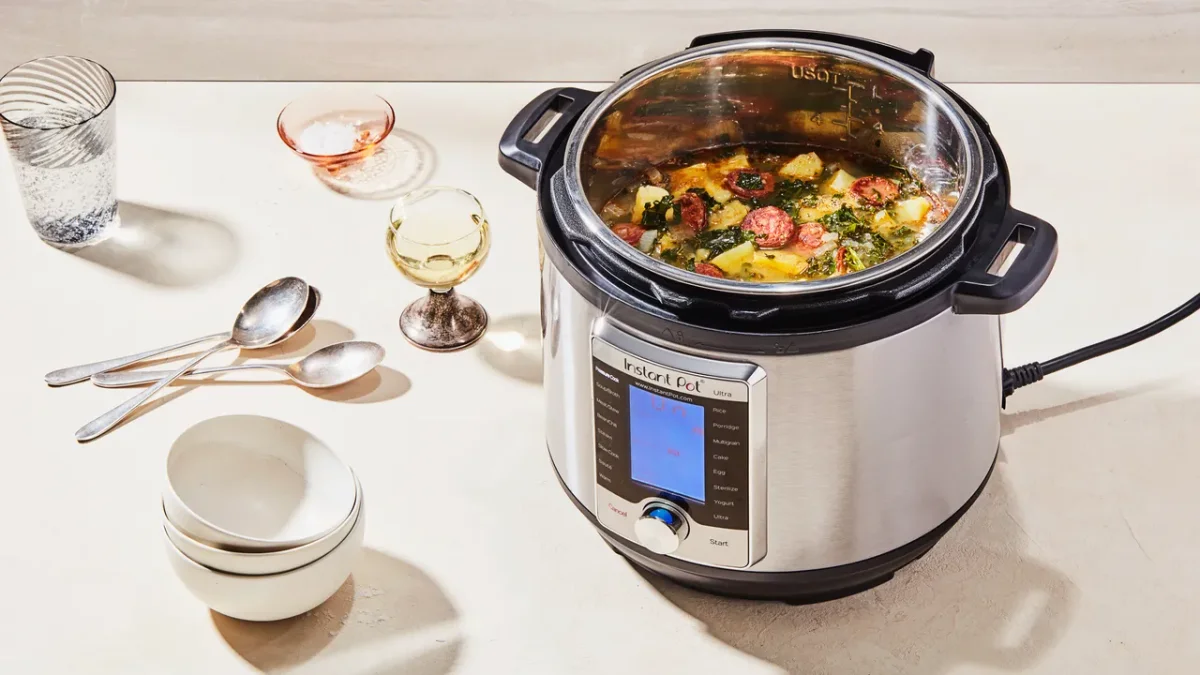
Table of Contents
On this page
19A cooker is the single most-used appliance in most kitchens — and the one buyers research the least. The average household uses its primary cooker 10 to 14 times per week, yet most people spend more time choosing a phone case. This guide explains how to choose cooker based on what you cook, how many you feed, and how your kitchen is set up. No marketing fluff — just the specs and decisions that determine whether your cooker works for you or against you.
The right cooker depends on four core factors: fuel or heat source, capacity, cooking functions, and build quality. Whether you need a standalone pressure cooker, a multi-cooker that replaces five appliances, a dedicated rice cooker, or a full-size range, understanding these four factors eliminates guesswork and buyer's remorse entirely.
Already clear on what type you need? Head to our best multi-cookers and Instant Pots roundup for tested picks at every price point.
How to Choose Cooker: Key Specs That Determine Performance#
Spec sheets list dozens of numbers. Only a handful predict real-world cooking performance. These are the specifications that matter and the benchmarks to measure them against.
Heat Source and Fuel Type#
The heat source defines how your cooker generates and distributes thermal energy. It affects cook time, temperature precision, energy efficiency, and which cookware you use. Understanding heat sources is the first step in how to choose cooker that performs consistently.
Electric resistance heating is the most common system in standalone cookers — pressure cookers, multi-cookers, rice cookers, and slow cookers all use it. A heating element at the base converts electricity into heat. Temperature control relies on built-in thermostats. Wattage ranges from 300 watts in small rice cookers to 1,200 watts in large pressure cookers.
Induction heating uses electromagnetic fields to heat the cooking pot directly rather than heating an element beneath it. Temperature response is nearly instant — adjustments register in one to two seconds versus 15–30 seconds for resistance coils. Induction systems waste less energy because heat transfers directly to the vessel. The trade-off: induction cookers cost 30–50% more than resistance models and require ferromagnetic (steel or iron) cookware.
Gas heating applies to range-top cookers and freestanding ranges. Gas delivers instant flame adjustment and visible heat feedback. Professional chefs prefer gas for searing and high-heat techniques. The downsides are uneven heat distribution on the burner surface, open-flame safety considerations, and higher installation costs (gas line required).
Pro Tip: If you live in an area with frequent power outages, a gas cooker or gas range provides reliable cooking during blackouts. Electric and induction cookers lose all function without electricity — even battery-ignition gas ranges continue working with a manual match light.
Wattage and Heating Power#
Wattage determines how quickly your cooker reaches cooking temperature and how well it maintains heat under load. This spec matters most for pressure cookers and multi-cookers where timing and temperature stability define results.
Wattage benchmarks by cooker type:
- Rice cookers: 300–600 watts. A 500-watt model cooks three cups of white rice in 18–22 minutes. Below 400 watts, cook times stretch past 30 minutes
- Slow cookers: 150–300 watts. Low wattage is intentional — slow cookers operate at 170°F–200°F for four to 10 hours. Higher wattage does not improve slow-cooker performance
- Pressure cookers and multi-cookers: 700–1,200 watts. A 1,000-watt model reaches full pressure (10–13 PSI) in eight to 12 minutes for a 6-quart load. Below 700 watts, pressurization takes 15+ minutes and temperature recovery after lid opening is sluggish
- Induction cooktops: 1,200–3,700 watts per burner. Higher wattage means faster boiling — a 3,700-watt induction burner boils two liters of water in under four minutes
A critical point most buyers miss: wattage alone does not equal better cooking. A 1,200-watt cooker with poor insulation loses heat through the walls and lid, wasting energy. A well-insulated 900-watt cooker maintains steadier temperatures with less power draw. When you choose cooker based on wattage, check both the power rating and the insulation quality before making a final decision.
Capacity and Size#
Capacity determines how much food you prepare per batch. Choosing the wrong size leads to either constant double-batching or a bulky appliance that wastes counter space.
Match capacity to your household:
- 1.5–3 quarts (1.4–2.8 L): One to two people. Ideal for rice, side dishes, and single-portion meals. Compact enough for small kitchens and dorm rooms
- 4–6 quarts (3.8–5.7 L): Two to four people. The most popular range for families. Handles full dinners, soups, stews, and batch cooking for two to three days of leftovers
- 8–10 quarts (7.6–9.5 L): Five to eight people. Designed for large families, meal preppers, and entertaining. Cooks whole chickens, large roasts, and party-sized batches
- 12+ quarts (11.4+ L): Commercial or extreme batch cooking. Rarely necessary for home use unless you routinely cook for 10+ people
One sizing rule buyers ignore: internal capacity is always less than advertised capacity. A 6-quart cooker holds approximately four to five quarts of usable cooking space once you account for the minimum fill line and the maximum fill line (typically two-thirds full for pressure cooking). Always choose one size up from what you think you need when learning how to choose cooker capacity.
Cooking Modes and Programs#
Modern multi-cookers advertise eight to 15 preset cooking programs. Not all presets deliver equal value. When you choose cooker features, understanding which modes matter saves you from paying extra for programs you never touch.
High-value cooking modes:
- Pressure cook: The core function of any pressure cooker or multi-cooker. Cooks food 50–70% faster than conventional methods by raising the boiling point of water to approximately 250°F at 11.6 PSI
- Slow cook: Low-and-slow cooking at 170°F–200°F for four to 12 hours. Essential for stews, pulled meats, and tough cuts that need time to break down collagen
- Sauté/brown: A searing function that heats the inner pot to 320°F–400°F. Lets you brown meat directly in the cooker before pressure cooking — eliminating an extra pan
- Rice: Automated rice cooking with sensor-based water absorption detection. Useful if you cook rice three or more times per week
- Steam: Gentle cooking via steam basket at 212°F. Ideal for vegetables, dumplings, and fish
Low-value cooking modes (marketing-driven):
- Yogurt: Only useful if you make homemade yogurt regularly. Most buyers use it once and forget it
- Cake/bake: Cookers produce dense, unevenly cooked cakes. Your oven does this job better in every scenario
- Sous vide: Requires a sealed bag and precise water circulation. Dedicated sous vide devices cost $50–$80 and outperform cooker-based sous vide significantly
Pro Tip: A cooker with five excellent core modes (pressure, slow cook, sauté, rice, steam) outperforms a cooker with 15 mediocre presets. Focus on execution quality per mode, not total mode count.
Safety Features#
Pressure cookers operate at elevated internal temperatures and pressures. Safety engineering is non-negotiable. Modern cookers include multiple redundant safety systems — verify all of them before purchasing.
Essential safety features:
- Lid-lock mechanism: Prevents opening while the cooker is pressurized. The lid physically locks and does not release until internal pressure drops below 1 PSI
- Pressure release valve (automatic and manual): Vents excess pressure if the cooker exceeds its rated PSI. Automatic systems activate without user intervention. Manual quick-release valves let you depressurize intentionally
- Anti-blockage vent shield: A mesh or metal screen over the steam vent that prevents food particles from clogging the pressure release pathway. Clogged vents are the primary cause of pressure cooker incidents
- Temperature fuse: A one-time-use thermal cutoff that shuts down the heating element if the cooker overheats beyond safe limits. Activates at approximately 330°F–365°F
- Excess pressure protection: A secondary pressure relief mechanism (usually a silicone gasket that deforms) that activates if the primary valve fails
Any cooker you consider should list at least five independent safety mechanisms. Reputable brands like Instant Pot, Breville, and Ninja publish their full safety system counts prominently. If a brand does not list specific safety features, treat that as a disqualifying red flag. Safety certifications are a non-negotiable checkpoint when you choose cooker for pressure cooking.
Build Quality and Inner Pot Material#
The inner cooking pot touches your food directly. Its material affects heat distribution, durability, ease of cleaning, and food safety.
Stainless steel inner pots are the gold standard for pressure cookers and multi-cookers. They resist scratching, do not leach chemicals, handle high temperatures without warping, and are dishwasher safe. The Instant Pot Duo uses a food-grade 304 stainless steel pot as its default. Stainless steel does not conduct heat as evenly as aluminum, but in pressurized cooking the liquid environment compensates for this.
Non-stick coated pots reduce food sticking and simplify cleanup. The trade-off: non-stick coatings degrade over time. Scratches from metal utensils, abrasive scrubbing, or dishwasher cycles break down the coating within 12–24 months of daily use. Replacement inner pots cost $15–$40.
Ceramic-coated pots split the difference. They resist sticking better than bare stainless steel and are more durable than standard non-stick. Ceramic coatings typically last two to three years before showing wear.
For longevity and safety, stainless steel is the best default choice. Reserve non-stick for dedicated rice cookers where sticky cleanup is the primary concern. When you choose cooker for daily pressure cooking, prioritize stainless steel inners.
Types of Cookers#
Choosing the right cooker category is the single most important decision in this entire process. Each type optimizes for a specific cooking style. Buying the wrong type means fighting the appliance instead of enjoying it. This section is the foundation for understanding how to choose cooker that matches your kitchen habits.
Multi-Cookers (Instant Pot and Similar)#
Multi-cookers combine pressure cooking, slow cooking, sautéing, steaming, and rice cooking in one appliance. The Instant Pot brand popularized this category, and it remains the market leader in 2026. Competitors include Ninja Foodi, Breville Fast Slow Pro, and Cuisinart.
Best for: Busy families, meal preppers, small kitchens where counter space is limited, anyone who wants one appliance to handle six to eight cooking tasks.
Key specs to check: Wattage (1,000+ for reliable pressure performance), capacity (6-quart is the standard family size), number of pressure levels (high and low), inner pot material (stainless steel preferred), and safety certifications (UL or ETL listed).
Price range: $60–$300. The Instant Pot Duo 6-Quart at approximately $80–$100 remains the best-selling multi-cooker globally for good reason.
Limitations: Jack of all trades, master of none. A dedicated slow cooker cooks low-and-slow slightly better. A dedicated rice cooker produces marginally better rice with fuzzy logic. A stovetop pressure cooker reaches pressure faster. The multi-cooker's advantage is consolidation, not peak performance in any single function. If you choose cooker from this category, you prioritize versatility above specialization.
Pressure Cookers (Stovetop)#
Stovetop pressure cookers sit on a gas or electric burner and use external heat to build internal pressure. They reach operating pressure faster than electric models because burners deliver more raw heat than built-in elements.
Best for: Experienced cooks, high-altitude cooking (where lower atmospheric pressure extends conventional cook times), large-batch canning, and users who want faster pressure buildup than electric models offer.
Key specs to check: Operating pressure (13–15 PSI for stovetop vs. 10–12 PSI for electric), material (tri-ply stainless steel or heavy aluminum), capacity (6–10 quarts), and pressure release mechanism (spring-valve is superior to jiggle-top for precision).
Price range: $40–$200. The Fissler Vitaquick and Kuhn Rikon Duromatic anchor the premium end with lifetime warranties.
Limitations: No built-in timer, no presets, no keep-warm function. Requires active monitoring — you adjust the burner manually to maintain pressure. Not ideal for set-it-and-forget-it cooking. If you choose cooker from this category, expect a hands-on experience that rewards skill.
Slow Cookers#
Slow cookers heat food at low temperatures (170°F–200°F) over extended periods (four to 12 hours). They excel at transforming tough, inexpensive cuts of meat into tender, fall-apart dishes.
Best for: Budget-conscious home cooks, families who want a hot dinner ready when they arrive home, and anyone who prefers minimal active cooking time.
Key specs to check: Capacity (4–7 quarts for families), programmable timer with auto-warm, removable stoneware insert (easier cleaning), and locking lid for transport. For a detailed comparison, see our Instant Pot vs slow cooker guide.
Price range: $25–$120. Premium models with programmable digital controls and probe thermometers sit at the top of this range.
Limitations: Slow. A recipe that takes 30 minutes in a pressure cooker takes six to eight hours in a slow cooker. No searing or browning capability without a separate pan. Poor at cooking rice, pasta, or anything requiring precise timing.
Rice Cookers#
Dedicated rice cookers optimize a single task: perfect rice every time. Basic models use simple on/off thermal switches. Advanced models with fuzzy logic or induction heating adjust temperature and time dynamically based on rice type, quantity, and ambient conditions.
Best for: Households that eat rice four or more times per week, Asian cuisine enthusiasts, anyone frustrated by inconsistent stovetop rice.
Key specs to check: Heating type (standard, fuzzy logic, or induction — in ascending quality order), capacity (3-cup for singles, 5.5-cup for couples, 10-cup for families), keep-warm function quality, and inner pot coating type.
Price range: $20–$400. A $25 basic model makes acceptable white rice. A $200+ fuzzy logic model like the Zojirushi Neuro Fuzzy handles white rice, brown rice, sushi rice, porridge, and mixed grains with genuinely different and superior results.
Limitations: Single-purpose appliance. Takes counter space for one function. Multi-cookers with a rice preset handle the job adequately if you cook rice fewer than three times per week. If you choose cooker strictly for rice, a dedicated unit outperforms every multi-cooker preset.
Induction Cooktops (Portable)#
Portable induction cooktops are single-burner units that sit on your counter and use electromagnetic induction to heat compatible cookware. They serve as supplemental cooking surfaces or primary cookers in kitchens without a built-in range.
Best for: Small apartments, dorm rooms, outdoor cooking, supplemental burners for holiday cooking, and anyone interested in induction efficiency without replacing a full range.
Key specs to check: Wattage (1,800 watts standard for full-speed boiling), temperature range (100°F–450°F), number of power levels (10+ for precise control), and auto-shutoff timer.
Price range: $40–$200. The Duxtop 9600LS at approximately $80 is a strong mid-range option.
Limitations: Requires induction-compatible cookware (magnetic stainless steel or cast iron). Aluminum, copper, and glass cookware will not work. Fan noise from the cooling system runs at 40–55 dB during operation. Keep these cookware constraints in mind when you choose cooker from the induction category.
Common Mistakes to Avoid When You Choose Cooker#
These seven mistakes lead to buyer's remorse, wasted money, and appliances that sit unused. Knowing how to choose cooker also means knowing these pitfalls.
-
Buying the wrong size: A 3-quart cooker for a family of four forces constant double-batching. An 8-quart cooker for a single person wastes energy and counter space. Match capacity to actual household size using the guide above — and err one size larger for pressure cooking due to fill-line limits
-
Ignoring inner pot material: Non-stick coatings on pressure cooker pots degrade within 12–24 months of daily use. Replacement pots cost $15–$40 each. Stainless steel lasts the lifetime of the appliance. Choose stainless steel as the default for any cooker used daily
-
Choosing mode count over mode quality: A 15-in-1 cooker with mediocre pressure and slow cook performance loses to a 7-in-1 cooker that executes five core modes flawlessly. Test results and user reviews reveal mode quality — spec sheets do not
-
Forgetting about the sealing ring: Every electric pressure cooker uses a silicone gasket to maintain pressure. These rings absorb odors from curries, stews, and garlic-heavy dishes. They also degrade over time and require replacement every 12–18 months ($8–$12 each). Budget for spare sealing rings from day one
-
Underestimating preheating and depressurizing time: A pressure cooker recipe listing "15 minutes cook time" does not include the 10–15 minutes to reach pressure and the 10–20 minutes for natural pressure release. Actual total time is 35–50 minutes. Plan accordingly to avoid dinner-time surprises
-
Skipping safety certifications: Pressure cookers operate at 10–15 PSI and 240°F–250°F internally. An uncertified cooker with a single-point-of-failure safety system is a genuine hazard. Only purchase cookers with UL, ETL, or equivalent safety certifications and at least five independent safety mechanisms
-
Overlooking cleaning complexity: Some cookers have one-piece lids that trap food residue in crevices. Others have detachable lid components — inner lid, sealing ring, condensation collector, and float valve — that separate for thorough cleaning. Check lid design before buying. A cooker that takes 10 minutes to clean after every meal adds 60+ hours of labor per year
Pro Tip: Buy two silicone sealing rings from the start — one for savory dishes and one for sweet or neutral dishes. Color-code them. This prevents curry-scented rice and garlic-flavored oatmeal.
Budget Guide: How to Choose Cooker at Every Price#
Understanding what each price tier delivers helps you set realistic expectations. Overspending on features you do not use is just as wasteful as underspending on build quality.
Under $50: Basic slow cookers, entry-level rice cookers, and no-name brand pressure cookers. Adequate for simple tasks. Expect plastic components, thin inner pots, one-year warranties, and limited safety certifications. Acceptable for slow cooking; risky for pressure cooking at this price.
$50–$120: The mainstream sweet spot. Instant Pot Duo, Ninja Foodi, and quality slow cookers with digital programmability live here. Stainless steel inner pots, 10+ safety features, multiple cooking modes, and two-year warranties. This range covers 80% of home cooking needs.
$120–$250: Premium multi-cookers with advanced features — sous vide integration, air fry lids, Wi-Fi connectivity, and PID temperature control. Also includes high-end rice cookers with fuzzy logic (like Zojirushi) and premium stovetop pressure cookers with lifetime warranties.
$250–$500: Top-tier multi-cooker systems, induction pressure cookers, and commercial-grade stovetop models. Brands like Breville Fast Slow Pro (with automated pressure release and LCD interface) anchor this range. Justified for daily cooks who prioritize precision and convenience.
$500+: Professional and specialty equipment. Large-capacity commercial pressure cookers, high-end induction ranges, and smart cookers with app integration and guided recipes. Only justified for professional kitchens or serious enthusiasts.
For specific model picks at each tier, see our best Instant Pots and multi-cookers roundup. Budget buyers should also check our best multi-cookers under $200 guide.
Maintenance and Longevity Tips#
Part of understanding how to choose cooker wisely is knowing the upkeep each type demands. Proper maintenance extends cooker lifespan by two to five years regardless of price tier. These habits take minutes per week and prevent the most common failure points.
Clean the sealing ring after every use. Remove the silicone ring from the lid and wash it with hot soapy water. Air-dry it completely before reinstalling. Rings left in the lid trap moisture and develop mold within days. Replace the ring every 12–18 months or immediately if it shows cracks, warping, or persistent odor.
Inspect the steam vent before each pressure cooking session. Hold the lid up to a light source and look through the vent opening. Any food residue blocking the pathway creates a pressure hazard. A pipe cleaner or thin brush clears minor blockages in seconds.
Descale the inner pot and heating plate quarterly. Hard water leaves mineral deposits on the heating element that reduce efficiency. Fill the pot with equal parts white vinegar and water, run a 10-minute pressure cycle, then wipe clean.
Store with the lid inverted or off. Sealing the lid traps moisture and creates a stale odor inside the pot. An inverted lid rests on the rim without locking, allowing airflow while protecting the interior from dust.
Replace worn gaskets proactively. A sealing ring that no longer holds pressure forces the cooker to work harder and extends cook times. If your cooker takes noticeably longer to reach pressure than when new, the ring is the most likely culprit. A $10 replacement restores original performance.
Our Top Recommendations#
This guide provides the complete framework for how to choose cooker based on specs, types, and your personal cooking patterns. When you are ready to evaluate specific models, these resources have you covered:
- Our best Instant Pots and multi-cookers roundup ranks the top tested models across every budget tier
- The Instant Pot vs slow cooker comparison breaks down the two most common cooker types head-to-head
- For budget-focused buyers, our best multi-cookers under $200 guide covers the strongest mid-range options
- Browse all cooker and Instant Pot reviews for the full collection
Frequently Asked Questions#
Frequently Asked Questions
8 questions answered
Start with your primary cooking style. Pressure cookers suit fast weeknight meals. Slow cookers suit hands-off all-day cooking. Multi-cookers combine both into a single appliance. Then match capacity to your household — 6-quart fits two to four people. Verify the cooker has stainless steel inner pot, five or more safety features, and at least 1,000 watts for pressure cooking. That framework covers how to choose cooker for most kitchens.
A 6-quart cooker is the standard recommendation for families of three to five. It fits a whole chicken, a full pot of soup, or four to six servings of most recipes. For meal preppers or families who want extra leftovers, an 8-quart model provides additional flexibility without a major increase in counter footprint.
A multi-cooker is more versatile. It pressure cooks, slow cooks, sautés, steams, and makes rice — replacing up to six appliances. A dedicated slow cooker excels at one thing: long, low-temperature cooking. If you only make stews and braises, a slow cooker is sufficient. If you want speed and versatility, a multi-cooker is the better investment.
Look for at least 1,000 watts in an electric pressure cooker. A 1,000-watt model reaches full operating pressure (10–13 PSI) within eight to 12 minutes for a standard 6-quart load. Below 700 watts, pressurization is slow, temperature recovery after opening is sluggish, and cooking results suffer. For stovetop pressure cookers, wattage depends on your burner output.
A quality multi-cooker like the Instant Pot Duo lasts five to eight years with daily use. The heating element and electronics are rated for approximately 30,000 hours. The sealing ring needs replacement every 12–18 months. The inner pot lasts the lifetime of the appliance if you choose stainless steel. Budget models with non-stick inner pots have shorter functional lifespans because the coating degrades.
Stovetop pressure cookers reach higher operating pressure (13–15 PSI vs. 10–12 PSI in electric models) and build pressure faster because stovetop burners deliver more raw heat. They also last decades with minimal maintenance. Electric models offer programmable timers, presets, keep-warm functions, and hands-off operation. Choose stovetop for maximum performance and electric for maximum convenience.
Stainless steel is the better default choice for pressure cookers and multi-cookers. It resists scratches, handles high heat, and lasts the lifetime of the appliance. Non-stick coatings simplify cleanup but degrade within 12–24 months of daily use. Reserve non-stick for dedicated rice cookers where sticky residue is the primary concern. Ceramic coatings offer a middle ground with two to three years of durability.
Not necessarily. Multi-cookers with a rice preset produce good results for white and brown rice. A dedicated rice cooker with fuzzy logic technology produces better results — especially for sushi rice, mixed grains, and porridge — because it adjusts temperature dynamically throughout the cycle. If you eat rice four or more times per week and value consistently perfect texture, a dedicated rice cooker is worth the extra counter space.
Summary#
Understanding how to choose cooker starts with three decisions: type (multi-cooker, pressure cooker, slow cooker, rice cooker, or induction), size (matched to your household), and core specs (wattage, inner pot material, and safety certifications). Everything else — preset modes, smart features, brand prestige — is secondary to these fundamentals.
For most households in 2026, a 6-quart multi-cooker in the $80–$120 range is the strongest starting point. It consolidates multiple appliances, handles everyday cooking tasks, and costs less than buying a slow cooker and pressure cooker separately. Upgrade to an 8-quart model for families of five or more.
If you cook rice daily, add a dedicated fuzzy logic rice cooker. If you want maximum pressure cooking speed and lifetime durability, invest in a premium stovetop model. Each addition fills a specific gap — but the multi-cooker covers the widest range of needs with the smallest footprint.
Start with our best Instant Pots roundup for tested model recommendations. For side-by-side format comparisons, our Instant Pot vs slow cooker guide clarifies the most common choice. Browse the full cooker and Instant Pot category for every review and guide on the site.
Our testing lineup: multi-cooker, stovetop pressure cooker, slow cooker, rice cooker, and portable induction cooktop